March is Minorcan Heritage Month in St. Augustine and St. Johns County, Florida. The Minorcans were first brought to New Smyrna (Florida) in 1768, which was founded by British consul Andrew Turnbull. Approximately 1,400 indentured servants sailed on eight ships to this new colony — primarily from the island of Minorca, along with Italians and Greeks — to his indigo plantation that he established after settling the area. Turnbull (born 1718) was a Scottish physician and diplomat who served as the British consul at Smyrna (part of the Ottoman Empire), an Ancient Greek city located on the Aegean Sea coast.
In 1765, he secured a land grant in St. Augustine for 40,000 acres in New Smyrna, which was 62 miles south of St. Augustine. In 1968, he brought the indentured servants from the Mediterranean, with the requirement from the British government that it be settled within 10 years in the proportion of one person for every 100 acres.
In his contract, Turnbull made promises for his colonists to work for three years, after which they would be freed and given a title to fifty acres; but he never fulfilled his contract.
Turnbull’s settlers eventually succeeded in producing crops of indigo, hemp, sugarcane and rum, but the plantation suffered major losses due to insect-borne diseases and Native American raids. Meanwhile, tensions grew between Turnbull and the colonists because of his neglect and mistreatment by his overseers. The remaining colonists marched north in 1777 to St. Augustine to ask for asylum from Governor Patrick Tonyn. They permanently abandoned New Smyrna when he offered them sanctuary.
- In the summer of 1777, roughly 600 fled to St. Augustine, where they were settled in the city.
- The survivors were known for their skills as fishermen, farmers, and craftsmen, and they significantly impacted the cultural fabric of St. Augustine.
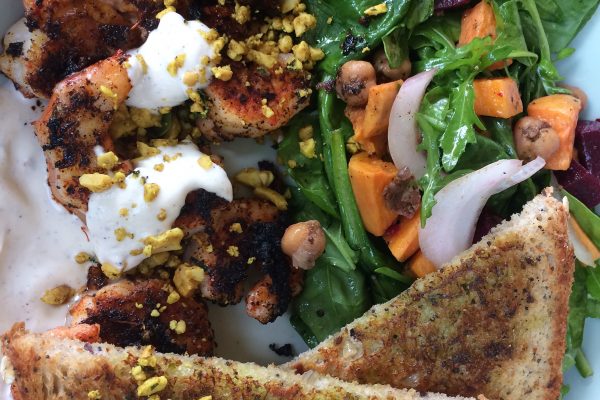
- They are widely credited for their use of the Datil pepper (a small, spicy pepper) in regional cuisine — Minorcan clam chowder, datil pepper sauces, mustard, and jellies, and rice pilau with sausage, shrimp and chicken.
-
Enduring surnames include Acosta, Andreu, Capo, Carrera, Genovar, Hernandez, Lopez, Maundy, Oliveros, Pacetti, Pellicer, Pomar, Ponce, Segui, Triay and Usina.
The Minorcan Experiences Schedule of Events
🗝️March 7: The Houses of St. Augustine by historian David Nolan. Learn about Minorcan building and builders at this talk.
🕰️ 2 PM Sat, March 7
📍Alcazar Room, City Hall, Lightner Museum, 75 King Street
🗝️March 14: Menorcan Heritage Celebration — cultural food, music and displays with Minorcan families.
🕰️ 11 AM-2 PM Sat, March 14
📍Llambias House, 31 St. Francis Street
🗝️March 21: Special tour of the Father Miguel O’Reilly House Museum — learn about the lasting legacy of the Sisters of Saint Joseph.
🕰️ 2-4 PM Sat, March 21
📍32 Aviles Street
🗝️March 28: Tour of the Oldest Wooden School House with a focus on founder Juan Genopoly.
🕰️ 2 PM Sat, March 28
📍14 St. George Street
Menorcan Heritage Celebration
The Menorcan Heritage Celebration will take place on Saturday, March 14 from 11 AM-2 PM on the grounds of the historic Llambias House, 31 St. Francis Street, in historic St. Augustine, Florida. Admission is free. Free parking and free shuttles will run from St. Benedict Catholic Catholic Church, 86 M.L. King Ave.
The event is hosted by the Menorcan Cultural Society.
St. Augustine’s Royal Family will be in attendance and will cut the celebratory cake. Musician Sam Pacetti will perform.
Menorcan families will offer traditional Menorcan clam chowder, along with Shrimp Pilau and Sausage Pilau (a rice dish).
Menorcan artwork, fishing nets, books and other handicrafts will be available.
A National Historic Landmark, the Llambias House is one of the few buildings in St. Augustine, Florida that dates back to the first Spanish colonial period (1565-1763).
Learn more about the Oldest House Museum Complex at staughs.com
Daily Rituals: Menorcan Stories at the Ximenez-Fatio House
March 16 – May 16, 2026: Step into the world of St. Augustine’s Menorcan community and experience the vibrant culture that shaped their lives from 1768 to 1830. Centered on the life of Juana Pellicer and her family, this exhibit explores the clothing, household items, and traditions that defined daily life during Florida’s Second Spanish Period, including plantation labor, slavery, and Menorcan wedding customs.
Born in 1776 to Menorcan parents who came to Florida as indentured servants, Juana grew up in St. Augustine after her family left the Turnbull plantation to begin a new life in the city. She later married Andres Ximenez and helped operate a general store and tavern, in what is now the Ximenez-Fatio House Museum. A mother and businesswoman, Juana played an essential role in her family’s success before her death in 1802 at just 26 years old.
Menorcan history remains central to St. Augustine’s identity. Their traditions, faith, and perseverance helped shape the cultural fabric of the city.
This exhibit can be seen on all of our tours from March 16 through May 16, 2026. Tickets are available at ximenezfatiohouse.org
📍20 Aviles Street, St. Augustine, Florida
Oldest Wooden School House
📍14 Saint George Street, St. Augustine, Florida
Self-guided tours are available daily.
Genopoly Homestead
Property records reflect ownership dating to 1740. Jesse Fish, a land broker representing the property interests of the fleeing Spanish officers and residents after the British took possession of Florida, sold the home to Juan Genopoly on October 1, 1780. A homestead was established and maintained by the Genopoly family for over a century. As a Greek carpenter from Mani, he built a new home at that location (ca 1800-1810) which still stands today. The main room on the ground floor was indeed the classroom with the entrance directly on the street. An additional, smaller room was added to the floorplan to serve as the family sitting room with a backdoor for easy access to the kitchen which is a detached building made of wood siding and coquina chimney. The garden area behind the home was used to grow vegetables, fruits, herbs and spices. Water for cooking and drinking and water was pulled from the old well adjacent to the home.
The School House
Juan Genopoly, now living as a free citizen in the British settlement, recognized the importance of learning English. He invited the children from the Minorcan Quarter into his home to teach them reading, writing and arithmetic. Two of the four children born in St. Augustine to Juan Genopoly and his wife also taught at the Old School. Certified notes and letters from students attending during the 1850s-1860s express their memories while attending. Boys and girls attended this little school where it cost 12 1/2 cents per week for the younger students and 25 cents per week for the older students as they were supplied parchment, quill pens and ink to practice their writing. The students also spoke of discipline and the consequences of misbehaving. The last class was in 1864. In November 1931, nine students gathered together for the first time in more than half a century. During the reunion, the former students arranged the classroom as they remembered so the Genopoly House could open to the public as The Oldest School House.