I Lived Here, As Well: The Final Chapter
Black History Month tours Feb. 5-28 at the Ximenez-Fatio House Museum
St. Augustine, FL — “I Lived Here, As Well” is back for its sixth and final season at the Ximenez-Fatio House Museum, the circa 1798 original coquina structure located on Aviles Street in historic St. Augustine, Florida.
Guests are invited to step into a world of untold stories this February. This best-selling, immersive Black History tour brings guests inside 227-year-old boarding house to experience the lives of the people, both known and unnamed, who lived and labored on the property — but whose stories were rarely recorded.
This season welcomes the return of familiar figures and the introduction of new characters, each portrayed by actors who bring depth, authenticity, and emotion to the stories of St. Augustine’s past.
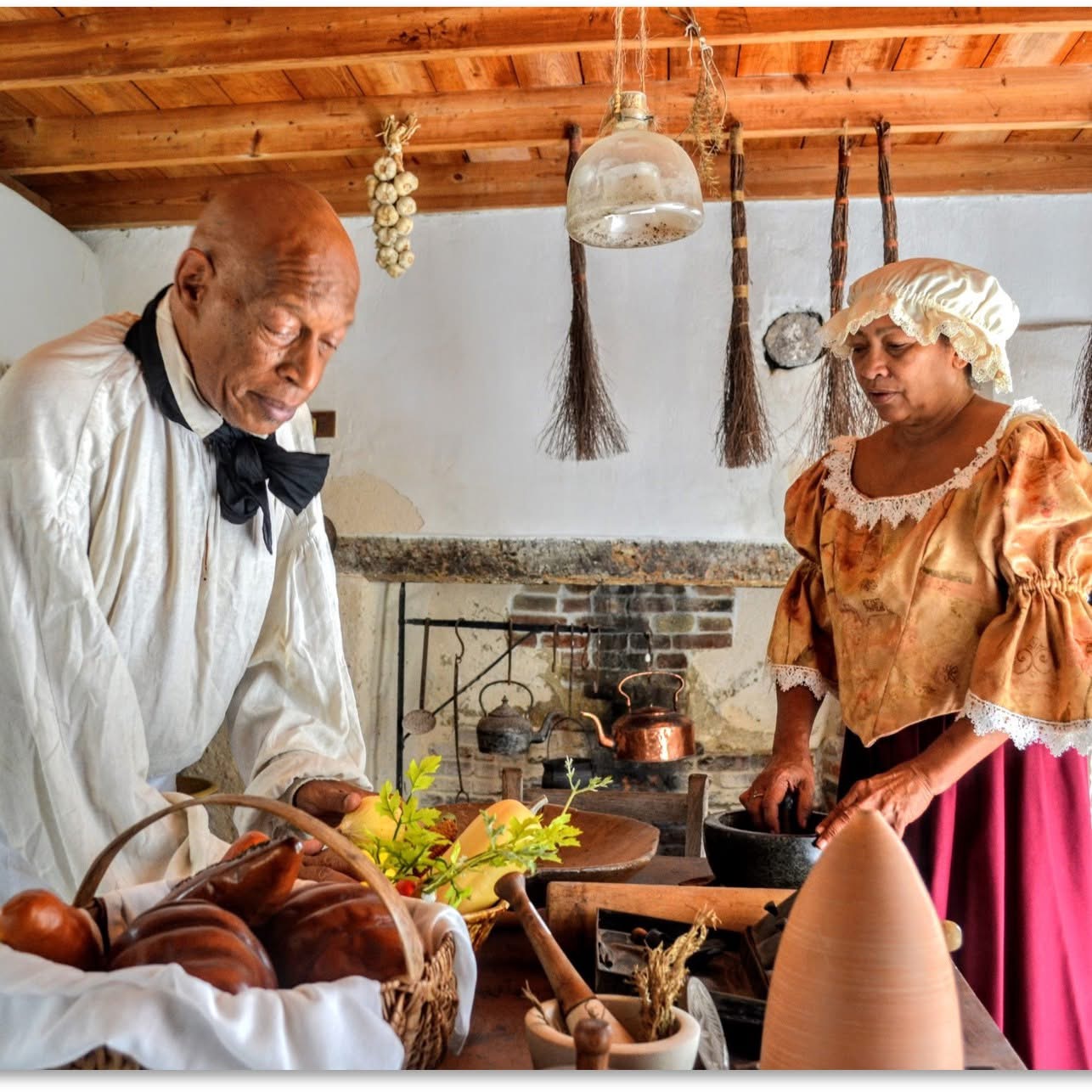
Visitors will meet individuals like Louisa Williams, a previously enslaved woman freed in St. Augustine in 1862, as well as representations of the many enslaved and freed people who worked within these walls but were never acknowledged by name.
For centuries, countless travelers passed through our doors seeking rest, comfort or healing. Yet many others moved through this house unseen, those who lived in the shadows of its history. “I Lived Here, As Well” is dedicated to them, illuminating the lives too often overlooked and honoring their impact on this home and on St. Augustine’s story.
Although this is the final chapter of the series, first-time visitors are welcome and will still have the opportunity to experience these powerful stories firsthand.
This final season is the last opportunity to experience these powerful narratives brought to life.
TOUR DATES
- Feb. 5-6
- Feb. 12-14
- Feb. 19-20
- Feb. 26-29
All tours will take place at 10 a.m.
Tickets and details: ximenezfatiohouse.org
Cost is $25 per guest. Reservations can be made online at ximenezfatiohouse.org or at The Fig Tree Gift Shop on the historic property, 20 Aviles St., in downtown St. Augustine, Florida.
ABOUT THE MUSEUM
In 1798, the 3-story coquina stone house was built by (Spanish merchant) Don Andres Ximenez for his wife, Juana Pellicer, and their children. Juana’s father, Francisco Pellicer, led the Menorcan exodus for 1777 out of New Smyrna, from their bondage by Dr. Andrew Turnbull. Pellicer brought approximately 600 people to St. Augustine.
The first floor of the house also served as a general store, tavern and billiards hall.
By 1830, Mrs. Margaret Cook purchased the property and converted it into a boarding house. By 1851, Miss Louisa Fatio became the manager of the boarding house, and then the owner by 1855. Her family owned it until 1939, when it was purchased by the National Society of Colonial Dames of America in the State of Florida. Still the owners today, the Dames operate it as a historic house museum.
The Ximenez-Fatio House Museum was awarded a $173,544 Semiquincentennial Grant in 2024 from the Historic Preservation Fund by the National Park Service, Department of the Interior. The grant will help preserve the original coquina structure. Ongoing historic preservation projects are happening on the house.
The Ximenez-Fatio House Museum is an original coquina structure in historic St. Augustine, Florida. Self-guided audio tours and guided tours are available Monday through Saturday from 10 a.m. to 5 p.m. (last tour leaves at 3:45 p.m.). The Fig Tree Gift Shop features a variety of items, including museum merchandise, fig jam from our historic fig tree on the property, books by local and Florida authors, and a variety of souvenirs that make great gifts. Follow on social media on Facebook, Instagram and TikTok.
Ximenez-Fatio House Museum events are sponsored in part by the St. Johns Cultural Council, the St. Johns County Tourism Development Council, NSCDA Florida, Jessie Ball DuPont Fund, and America 250 Florida.
The Ximenez-Fatio House is located at 20 Aviles Street in historic St. Augustine, Florida. It’s on the National Register of Historic Places and a Florida Heritage Landmark. The historic property was purchased in 1939 by The National Society of The Colonial Dames of America in The State of Florida. Visit ximenezfatiohouse.org for more details.